Precision SLM Metal Manufacturing for Functional Parts

Precision SLM Metal Manufacturing for Functional Parts

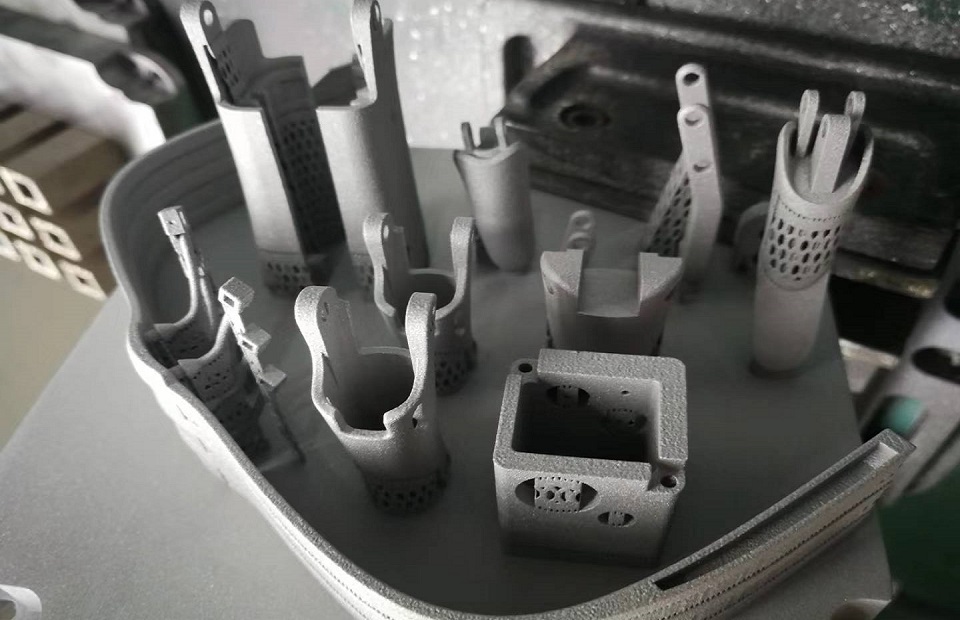
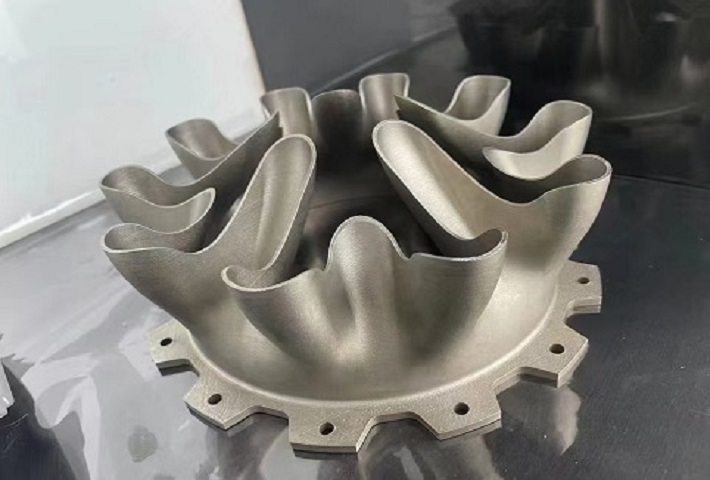
JITMFG works with engineering teams as a dedicated selective laser melting manufacturer and a responsive metal 3d printing service provider, producing fully dense, functional metal components layer by layer for demanding product programs.

High Precision

Produces accurate, complex metal parts suited to detailed, demanding designs.

Fully Dense Parts

Mechanical strength comparable to traditionally manufactured metal parts.

Complex Geometries

Internal structures and contours that are difficult or impossible with CNC.

5 SLM Alloys

IN718, AlSi10Mg, Ti-6Al-4V, 17-4PH and 1.2709 mold steel.

Prototype + Production

A versatile solution for prototyping and production of high-performance parts.

Industries Served

Aerospace, automotive, medical, energy, robotics and petrochemical.

Available SLM materials for additive manufacturing
Technology Overview

What SLM Manufacturing Delivers for Functional Metal Parts

Selective laser melting is an advanced metal 3D printing technology that uses a high-powered laser to fully melt metal powder layer by layer. Every cross-section is fused into the layer below, building parts that are dense, strong, and precise.

That melting-based process makes SLM ideal for producing complex metal components with excellent mechanical properties. Rather than a visual-prototype tool, JITMFG positions SLM as a route to real functional parts in aerospace, automotive, and medical programs — and a versatile answer for both prototyping and production.

“Parts are fully dense and exhibit excellent mechanical strength, comparable to traditionally manufactured metal parts.” JITMFG SLM Product Overview
How It Works

From Metal Powder to Dense Component

1

Powder Layer Deposition

A thin bed of metal powder is prepared as the build platform advances across the SLM process zone.

2

Full Laser Melting

A high-powered laser sweeps each cross-section and fully melts the metal powder — not merely sinters or binds it.

3

Layer-by-Layer Fusion

Melted layers fuse into a dense, strong geometry, enabling internal channels and structures CNC cannot reach.

4

Post-Processing & Finishing

Support removal, heat treatment, and surface finishing complete the component before it enters service.

Buyer decision: SLM is a production-capable process, but larger parts take longer to build and usually need dedicated post-processing time. Plan your project schedule for both thermal treatment and surface finishing.
SLM process information shared by JITMFG
Engineering Honesty

SLM Advantages and Drawbacks to Plan Around

Every manufacturing process has a trade-off. These two official summary views help buyers make an informed decision before the quote stage.

Advantages of SLM additive manufacturing

Why Buyers Choose SLM

  • High precision — accurate, complex metal parts for detailed design requirements.
  • Strong mechanical properties — fully dense material comparable to traditional metal.
  • Material variety — supports metal powder families from stainless steel and titanium to aluminum.
  • Complex geometries — intricate shapes and internal structures that are difficult or impossible with conventional manufacturing.
Drawbacks of SLM process to consider

Cost & Timeline Realities

  • Higher upfront cost — equipment and metal powders make SLM less economical for very small-scale runs.
  • Post-processing required — heat treatment, surface finishing, and support removal add steps.
  • Longer production times — larger components take longer to build than some alternative processes.
  • Complex setup — laser power and powder quality must be carefully controlled and calibrated.
Scenario → Specification

Match Your Application to the Right SLM Alloy

Use the same scenario logic JITMFG engineers apply during quoting. Each card ties an application type to a concrete alloy fact and a buyer decision.

High-Temperature Hardware

Engine Blades & Rocket Nozzles

Heat-zone components exposed to heavy oxidation or aggressive operating conditions need a metal that holds mechanical performance when temperatures climb.

Choose IN718 Nickel-based superalloy with antioxidant and corrosion-resistant behavior plus excellent mechanical properties.
Lightweight Production Parts

Aerospace & Automotive Structures

Production teams looking for lighter structural or industrial parts benefit from aluminum alloys with stable thermal behavior and dependable strength.

Choose AlSi10Mg Aluminum alloy with excellent mechanical properties, good thermal stability, and moderate corrosion resistance.
Medical & Aerospace

Implants & High-Performance Devices

Components that must combine fatigue resistance, low density, and corrosion resistance suit the demanding parts of aerospace, biomedical, and medical device programs.

Choose Ti-6Al-4V Grade 5 titanium with high strength, low density, excellent corrosion resistance, and good fatigue/crack resistance.
Corrosion-Resistant Strength

Industrial, Petrochemical & Biomedical Parts

Parts exposed to moisture, chemicals, or repeated loading need stainless behavior plus high hardness for dimensional stability.

Choose 17-4PH Martensitic precipitation-hardening stainless steel with high strength, high hardness, and excellent corrosion resistance.
Production Tooling

Injection Mold & Die-Casting Inserts

Tool engineers evaluating SLM for mold inserts can leverage printed internal cooling geometry while planning heat treatment for final properties.

Choose 1.2709 MS1 / 18Ni300 mold steel; strong and hard, typically heat-treated after printing and post-processed for surface quality.
Decision Support

Send Your Part Scenario

Not sure which alloy matches your operating environment, temperature range, or production volume? JITMFG’s engineering team can review the application before quoting.

Request a DFM conversation Share target function, environment, and quantity for an SLM recommendation.
Manufacturing Partner

SLM Procurement Built for Engineering Teams

JITMFG’s SLM service connects prototyping and production under one qualified process. Whether you are validating a single complex bracket or planning a batch of metal components, the same quote path supports material selection, fully dense builds, and post-processing planning.

  • Prototype-stage SLM for design validation and full production runs
  • Five published alloys with distinct performance profiles
  • Engineers who plan for heat treatment and surface finishing
  • Direct access to JITMFG’s SLM procurement service and quote desk

Fastest Path to an SLM Quote

Prepare these four details and the JITMFG team can respond with a focused commercial and technical answer.

  • 1Your target alloy or application environment
  • 2Part quantity: prototype batch or production volume
  • 3Geometry notes: internal channels, lattice, or complex contours
  • 4Expected finishing stage: as-printed, heat-treated, or surface-finished

Related Reading

Three notes to help clarify product requirements before contacting the supplier.

Choosing Between SLM, CNC, and Casting for Metal Parts

Choosing between SLM, CNC, and casting comes down to how a part’s geometric complexity, starting batch size, material utilization, and post-processing demands match each process’s

Read article

1.2709 Tool Steel for 3D Printed Injection Mold Inserts

If your injection mold insert needs conformal cooling, better wear resistance, or a shape that machining cannot create, 1. 2709 SLM printing is a route worth evaluating.

Read article

Ti-6Al-4V for Aerospace and Medical 3D Printing

Ti-6Al-4V shows up on nearly every SLM material list because it combines low weight, high strength, and corrosion resistance, making it a practical first choice for aerospace and m

Read article

Frequently Asked Questions

what is selective laser melting (slm)?

slm is an advanced metal 3d printing technology that uses a high-powered laser to fully melt metal powder layer by layer. the result is a dense, strong, and precise component suited to functional applications.

how do slm parts compare with traditionally manufactured metal?

jitmfg’s slm parts are fully dense and exhibit excellent mechanical strength, comparable to traditionally manufactured metal parts. slm becomes especially valuable when the design needs complex internal geometry that conventional machining cannot produce.

which metal alloys can be printed with jitmfg slm?

the slm product page lists five alloys: in718 nickel-based superalloy, alsi10mg aluminum alloy, ti-6al-4v titanium, 17-4ph precipitation-hardening stainless steel, and 1.2709 mold steel (ms1 / 18ni300).

does slm require post-processing before parts are used?

yes. slm parts often require additional post-processing such as support removal, heat treatment, and surface finishing. in particular, the 1.2709 mold steel typically requires heat treatment after printing and may need surface-quality post-processing.

which industries and applications benefit most from slm?

slm serves aerospace, automotive, medical, energy, robotics, petrochemical, nuclear, and biomedical sectors. published application examples include turbine blades, medical implants, heat exchangers, lightweight structural parts, mold inserts, and complex aerospace components.

what should i prepare to request an slm quote?

for the fastest response, share your target alloy or application environment, part quantity, desired finishing stage, and any geometry notes such as internal cooling channels or lattice structures. you can submit these through the slm product page quote request or the jitmfg contact page.